Cup Laser Cut: A Digital Resource for Creative and Practical Use
When it comes to crafting custom designs, precision and versatility are key. Cup Laser Cut is a digital product that delivers exactly that—ready-to-use files designed for laser cutting, offering a range of formats including SVG, PNG, JPG, DXF, and EPS. This resource is ideal for both hobbyists and professionals who need high-quality, scalable vector graphics and image files for their projects.
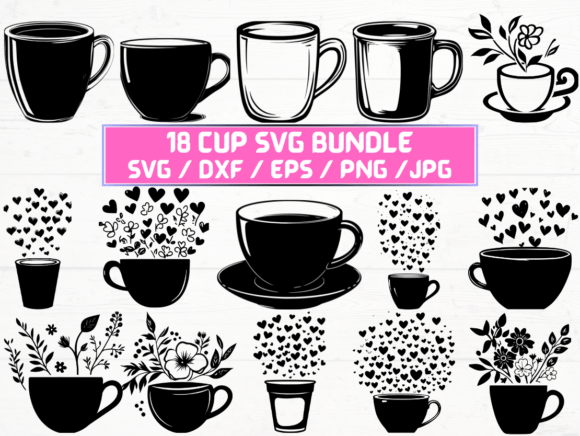
Cup Laser Cut includes a ZIP folder containing 5 sets of files: 18 SVG, 18 PNG, 18 DXF, 18 JPG, and 18 EPS files. Each file is crafted at 300 dpi with transparent backgrounds, ensuring compatibility across various design and production platforms. The instant download format makes it easy to access and use right away without waiting for physical delivery.
Whether you're working on personalized gifts, custom packaging, or industrial prototypes, the files in Cup Laser Cut offer a flexible solution. These files are not only visually appealing but also optimized for use with laser cutters, making them perfect for creating intricate designs with accuracy and consistency.
Understanding the Needs Behind Cup Laser Cut
For many creators, the challenge lies in finding reliable, high-quality design files that can be easily integrated into their workflow. Traditional methods often require time-consuming design processes, which can be inefficient and costly. This is where Cup Laser Cut steps in as a practical solution.
The primary goal of using Cup Laser Cut is to streamline the design process by providing ready-made templates that can be customized or used as-is. Users may have different needs depending on their project type. For example, a small business owner looking to create custom mugs might need simple, clean designs that can be quickly printed and cut. On the other hand, an artist or designer might prefer more complex patterns that allow for creative expression.
By offering multiple file formats, Cup Laser Cut caters to a wide range of users. Designers who work with vector-based software like Adobe Illustrator will find SVG and EPS files particularly useful. Those working with raster images or photo editing tools may prefer PNG or JPG formats. Meanwhile, DXF files are especially beneficial for those using CAD (Computer-Aided Design) programs or CNC machines.
Practical Applications of Cup Laser Cut
The applications of Cup Laser Cut are diverse and extend beyond just decorative items. Here are some common uses:
- Custom Mugs and Drinkware: With laser-cut designs, you can create unique patterns on cups, mugs, and other drink containers. This is popular among businesses that want to offer branded or personalized products.
- Decorative Ornaments and Gifts: From holiday decorations to birthday gifts, laser-cut designs can add a personal touch to everyday items.
- Industrial Prototyping: In manufacturing, precise cuts are essential. Cup Laser Cut provides the necessary detail and accuracy for prototyping and small-scale production.
- Art Installations and Exhibits: Artists and designers often use laser-cut materials to create intricate sculptures, panels, and interactive installations.
- Home Decor and DIY Projects: Whether it's a wall hanging or a decorative tray, laser-cut designs can transform ordinary objects into beautiful, functional pieces.
Each application benefits from the versatility of Cup Laser Cut, allowing users to adapt the files to their specific needs without starting from scratch. This saves time and effort while maintaining a high level of quality and customization.
How to Use Cup Laser Cut Effectively
To make the most of Cup Laser Cut, it’s important to understand how each file format works and what it’s best suited for. Here are some recommendations:
SVG Files: These are ideal for use with vector graphic software. They maintain clarity at any scale, making them perfect for intricate designs. SVG files are also compatible with many laser cutter programs.
PNG and JPG Files: These are great for printing and digital use. If you’re planning to print the design on a material like wood or acrylic, PNG files with transparent backgrounds offer more flexibility.
DXF Files: These are commonly used in engineering and manufacturing. They are compatible with CAD software and provide precise measurements for accurate cuts.
EPS Files: These are suitable for high-resolution printing and are often used in professional settings where quality is paramount.
Regardless of the format you choose, always ensure that your laser cutter is properly calibrated and that the material you're using is compatible with the design. Testing a small section before proceeding with the full design can help avoid errors and wasted materials.
Considerations for Different User Types
Users of Cup Laser Cut may approach the product differently based on their skill level and goals. Beginners might start by using pre-designed templates, while more experienced users could modify the files to suit their creative vision. Regardless of experience, the key is to focus on the end result and how the files can enhance the final product.
For those new to laser cutting, it’s recommended to invest time in learning the basics of the technology. Online tutorials, forums, and manufacturer guides can provide valuable insights into optimizing your workflow. Additionally, experimenting with different materials and settings can lead to unexpected and exciting results.
For professionals, Cup Laser Cut offers a way to maintain consistency across multiple projects. It can be especially useful in scenarios where time is limited, and efficiency is crucial. By having a library of ready-made files, users can quickly respond to client requests or market demands without compromising on quality.
In conclusion, Cup Laser Cut is more than just a set of files—it's a tool that empowers creators to bring their ideas to life with precision and ease. Whether you're a hobbyist, a small business owner, or a professional designer, this digital product provides the resources needed to achieve your goals efficiently and effectively.